
Many dental practice owners lose hundreds of thousands of dollars by using the wrong math. A single misplaced formula can quietly erase years of clinical hard work. To protect your wealth, you must align your business model with the correct financial formula.
The three primary dental practice valuation methods are Seller's Discretionary Earnings (SDE), EBITDA multiples, and the asset-based approach. SDE works best for solo practices because it captures the total cash benefit to a single owner-operator, including salary and perks. EBITDA multiples suit larger group practices and DSOs by measuring operating profit independent of owner pay. The asset-based approach fits equipment-heavy practices where physical asset value exceeds income-based value.
Schedule a free consultation with First Move Advisors' co-founders to learn which valuation method fits your practice.
But how do you know which valuation approach actually fits your clinical business model? Selecting the wrong formula can lead to a costly mistake when you sell. To find your practice's true worth, the path begins with understanding how earnings-based models apply to your specific practice type.
What Is Seller's Discretionary Earnings (SDE) and How Does It Work for Solo Practices?
Seller's Discretionary Earnings (SDE) is the standard valuation method for solo dental practices. It calculates the total cash benefit a single owner-operator receives from the practice, including salary, perks, and non-cash expenses. Buyers apply multiples of 1x to 3x SDE to determine a fair purchase price for solo and small practices.
A study in PubMed notes that practice valuation methods typically fall into three categories: discounted net cash flow, market data comparable, and asset accumulation. Solo clinics use SDE because it captures the full financial picture for owner-operated practices.
The core concept of SDE
SDE focuses on the total cash benefit to the owner. Most solo owners run personal costs through the clinic to lower their tax bill. SDE adds these costs back to show how much cash the business truly generates. For a solo buyer, this is the key number. They need to know if the practice can support their lifestyle while they pay off the practice loan.
How SDE is calculated
To find your SDE, start with net profit from your tax returns, then add back specific costs. Common add-backs include:
- Owner salary and personal benefits
- Depreciation and amortization (non-cash expenses)
- Interest expense on business loans
- One-time legal fees or large repairs
- Personal auto, travel, and family health plans run through the business
- Above-market retirement contributions or discretionary bonuses
These adjustments help buyers see the real earning power of the practice. This adjusted number is what buyers use to apply dental practice valuation multiples to find the final sale price.
Adjusting for clinical compensation
One critical adjustment occurs when the selling doctor keeps working clinically. In a solo practice, the owner does both jobs: runs the business and treats patients. To get an accurate SDE, you must separate these roles by subtracting what it would cost to hire a dentist to do the clinical work.
According to Baker Tilly, professional compensation is usually estimated at 35% of average annual doctor production. If your clinic produces $1 million and you do all the work, you would deduct $350,000 as replacement doctor cost. The remaining cash flow is your true SDE. Understanding whether an associate buy-in or DSO sale is right for you also affects how buyers view your practice structure.
How Are EBITDA Multiples Used for Group Practices and DSO Roll-Ups?
EBITDA multiples are the standard valuation method for larger group practices and DSO transactions. After normalizing earnings by removing personal and one-time costs, buyers apply multiples of 4x to 6x EBITDA. Well-prepared practices with clean financial records often command premiums at the top of this range.
For larger dental group practices, valuation methods shift from SDE to earnings before interest, taxes, depreciation, and amortization (EBITDA). This metric helps buyers see true operating cash flow without the distorting effects of tax strategies and loan structures.
What is normalized EBITDA?
Normalized EBITDA removes personal and one-time costs from the books. The normalization process typically includes:
- Adding back one-time legal and advisory fees
- Removing personal car leases and travel expenses
- Adjusting owner compensation to fair market rates
- Eliminating above-market rent paid to owner-controlled entities
- Removing discretionary family member salaries without clinical duties
For a deeper walkthrough of each adjustment category, see our guide on dental practice EBITDA normalization and add-backs. For a broader view of how normalized earnings work across healthcare, read normalized EBITDA in healthcare.
Typical multiples and market ranges
Once you find normalized EBITDA, buyers apply a multiple. The standard range for most group practices is 4x to 6x EBITDA. Multiples vary by practice size, growth potential, and local market density. A solo office might sell at the lower end, but a group of three or four locations commands a higher multiple. Larger groups offer less risk and more room to grow.
Practices that prepare well before a sale can secure multiples 1.0x to 2.0x higher than average. Systematic preparation shows buyers that your profit is repeatable. Research from the National Institutes of Health confirms that early planning is critical to setting fair transaction pricing.
Why DSOs look for scale
Large DSO buyers seek scale benefits across multiple locations. By sharing billing, payroll, and supply purchasing, they lower overhead and boost overall profits. This scale allows them to pay higher multiples for group practices that can plug into their network. If you are considering this path, read should I sell my dental practice to a DSO to understand buyer expectations.
When Does the Asset-Based Valuation Method Apply?
The asset-based valuation method calculates the fair market value of all tangible assets minus liabilities. It applies best to equipment-heavy practices like oral surgery or implant centers, or practices with low profitability but high physical asset value. It ensures owners receive credit for their capital investments rather than relying solely on earnings.
Appraisals often use asset-based methods alongside market and cash flow models, as documented in medical practice valuation research. This approach calculates the total net value of everything the clinic owns.
When asset-based methods apply
This approach is preferred for specialized practices heavily reliant on expensive equipment. For example, an oral surgery clinic might invest heavily in advanced surgical suites and 3D imaging. If the practice has low net earnings but valuable physical assets, income-based models will undervalue the business. An asset-based appraisal ensures you receive credit for your actual investments.
Many buyers use standard formulas to judge a business, but these common paths do not work for every setup. When a practice has a low profit margin but carries high asset value, the owner needs a different path.
The gap between FMV and book value
An asset-based appraisal accounts for tangible items like diagnostic imaging and treatment chairs. When using this approach, you must know the difference between book value and fair market value (FMV). Your tax sheets show the book value of equipment, which decreases each year due to depreciation. But the real worth of a working imaging machine or modern dental chair is often much higher than its depreciated tax value.
Asset valuations must reflect fair market value, not just depreciated book value. A professional appraiser will assess what those tools would cost on the open market today. This includes specialized chairs, 3D imaging systems, and key office infrastructure. Counting these at real market value can raise your total practice valuation by tens of thousands of dollars.
Valuing patient goodwill
Physical tools are only one part of the story. A complete appraisal also counts intangible assets. Intangible asset valuation considers the stability and loyalty of your active patient base, your brand, your staff contracts, and your custom office workflows. These parts make up what buyers call goodwill.
Goodwill is hard to measure but highly valuable. A clinic with thousands of active patient files is worth far more than a brand-new space with the same equipment. Buyers pay a premium when they see a steady stream of returning patients.
Which Valuation Method Is Right for Your Practice?
Your practice size and goals determine the right method: solo practices use SDE, group practices use EBITDA multiples, and equipment-heavy or low-profit practices use asset-based valuation. Each method serves a different buyer type and transaction structure. Comparing all three helps you avoid costly pricing mistakes.
| Method | Best For | Typical Range | Buyer Type | Complexity |
|---|---|---|---|---|
| SDE (Seller's Discretionary Earnings) | Solo practices | 1x to 3x SDE | Individual dentists | Moderate |
| EBITDA Multiples | Group practices and DSOs | 4x to 6x normalized EBITDA | DSOs and private equity | Higher |
| Asset-Based Valuation | Equipment-heavy practices | Fair market value of assets net of debt | Strategic buyers | Moderate |
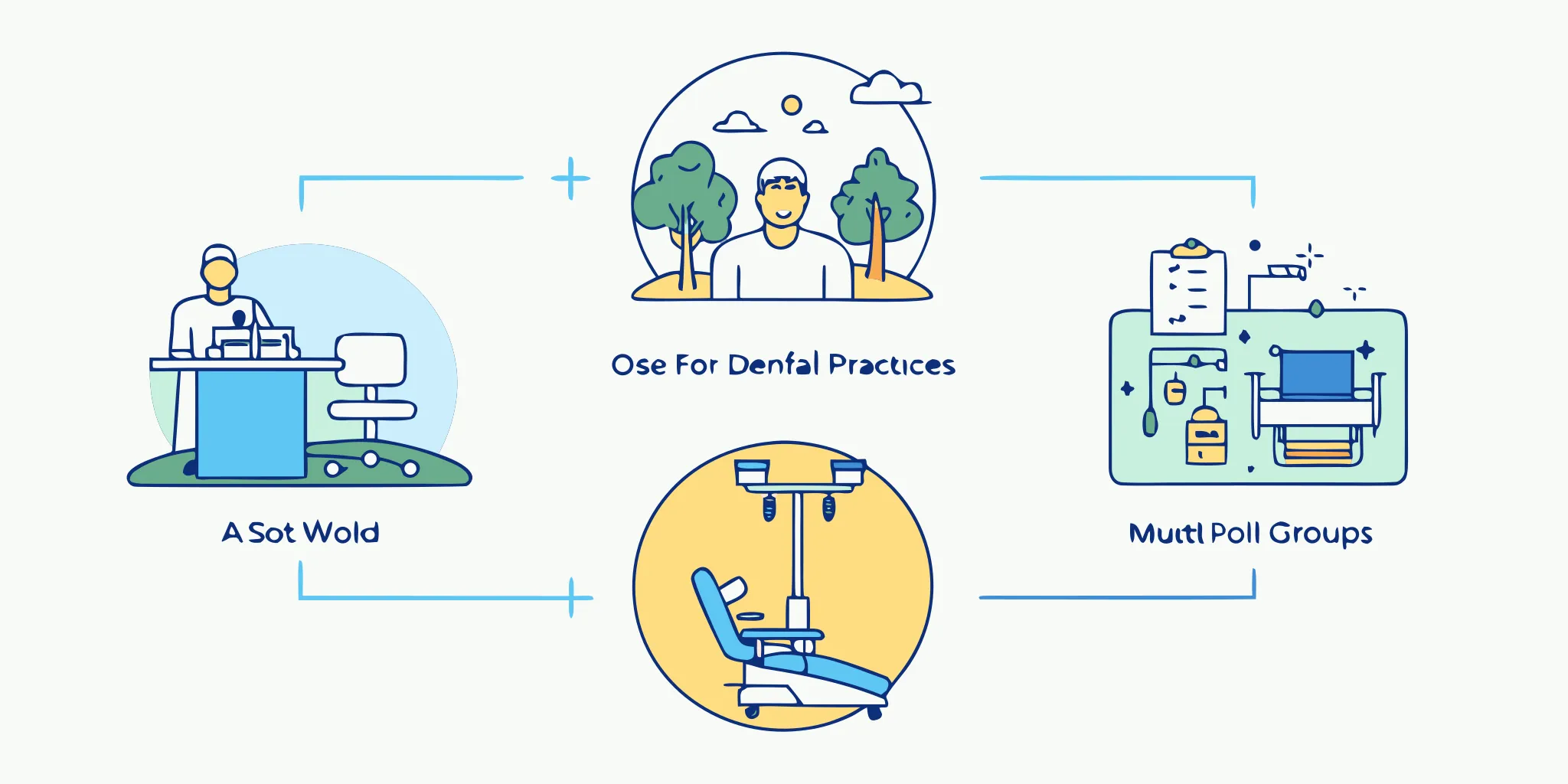
As your practice grows, the way people value it changes. Smaller solo practices use SDE because the owner is still the main doctor. EBITDA multiples are standard for larger group practices and DSO roll-ups, where scale and business structure drive value. For specialized offices with costly gear, an asset-based approach may be the best fit. If you are deciding between a broker or direct sale, read do I need a broker to sell my dental practice for guidance.
The risk of simple rules
Many doctors rely on quick rules of thumb, like valuing a practice at 60% to 80% of its annual revenue. But this simple approach often leaves money on the table. A study by Windham Brannon LLC analyzed 46 dental practice valuations. They found that the simple revenue rule of thumb undercut the actual appraised value by 64% to 207%.
Using a fixed percentage fails because it ignores overhead, local competition, and staff. Two practices with the same revenue can have completely different values if one has double the profit of the other. Out of the 46 practices in the study, 41 were valued above the 0.8x revenue level. Only two practices fell below the 0.6x revenue mark.
How to choose your path
To find the right method, you must examine your financial records and your long-term plans. If you run a solo practice, calculate SDE and adjust for doctor compensation. In dental sales, doctor pay is a major adjustment, often estimated at 35% of average annual production.
Larger practices, especially those with multiple locations, should focus on EBITDA. Normalizing EBITDA helps buyers see the true, ongoing profit of the business. Academic research on dental practice valuation methods shows that income-based paths remove bias. By using a formal income or EBITDA model, you build a case that buyers cannot easily dismiss during deal talks.
Preparing Your Practice for a Valuation That Reflects True Worth
Preparation for a dental practice sale is a multi-year process. Start one to five years before your planned exit to clean up financial records, normalize earnings, organize patient data, and build a complete data room. Early preparation prevents failed deals and helps you defend your asking price during buyer due diligence.
Timeline for transition planning
Planning early helps you build a clean track record of growth. Buyers want to see steady profits over several years, not a sudden spike. Use this time to clean up your books and organize patient charts. A step-by-step dental practice transition plan roadmap ensures you do not leave money behind when you exit.
Key preparation steps include:
- Normalize three years of financial statements to show true operating profit
- Document and categorize all add-backs with supporting receipts and tax records
- Organize active patient charts and verify hygiene recall data
- Compile lease agreements, equipment leases, and staff contracts
- Build a complete data room with financial, operational, and legal documents
- Review payer mix and insurance contract terms
- Address any facility lease or real estate ownership questions early
Organizing books and normalizing earnings
To show the real health of your practice, you must normalize your earnings. This means adjusting past financial records to show true, ongoing profit. Adjust for one-time costs like legal fees. Record personal perks and owner compensation. If you pay yourself above or below market rate, a buyer will adjust this to industry standards.
Clean books are the foundation for the valuation methods buyers use. A clear report reduces doubts and proves your practice is a safe buy. For help organizing your documents, see our healthcare practice data room checklist.
Why healthcare deals fail in due diligence
Many sales fall apart during the final stages. Research shows that 30% of healthcare deals fail during due diligence. Buyers perform their own deep check on your numbers. If buyer due diligence finds gaps between your appraisal and real earnings, the buyer may lower their offer or walk away.
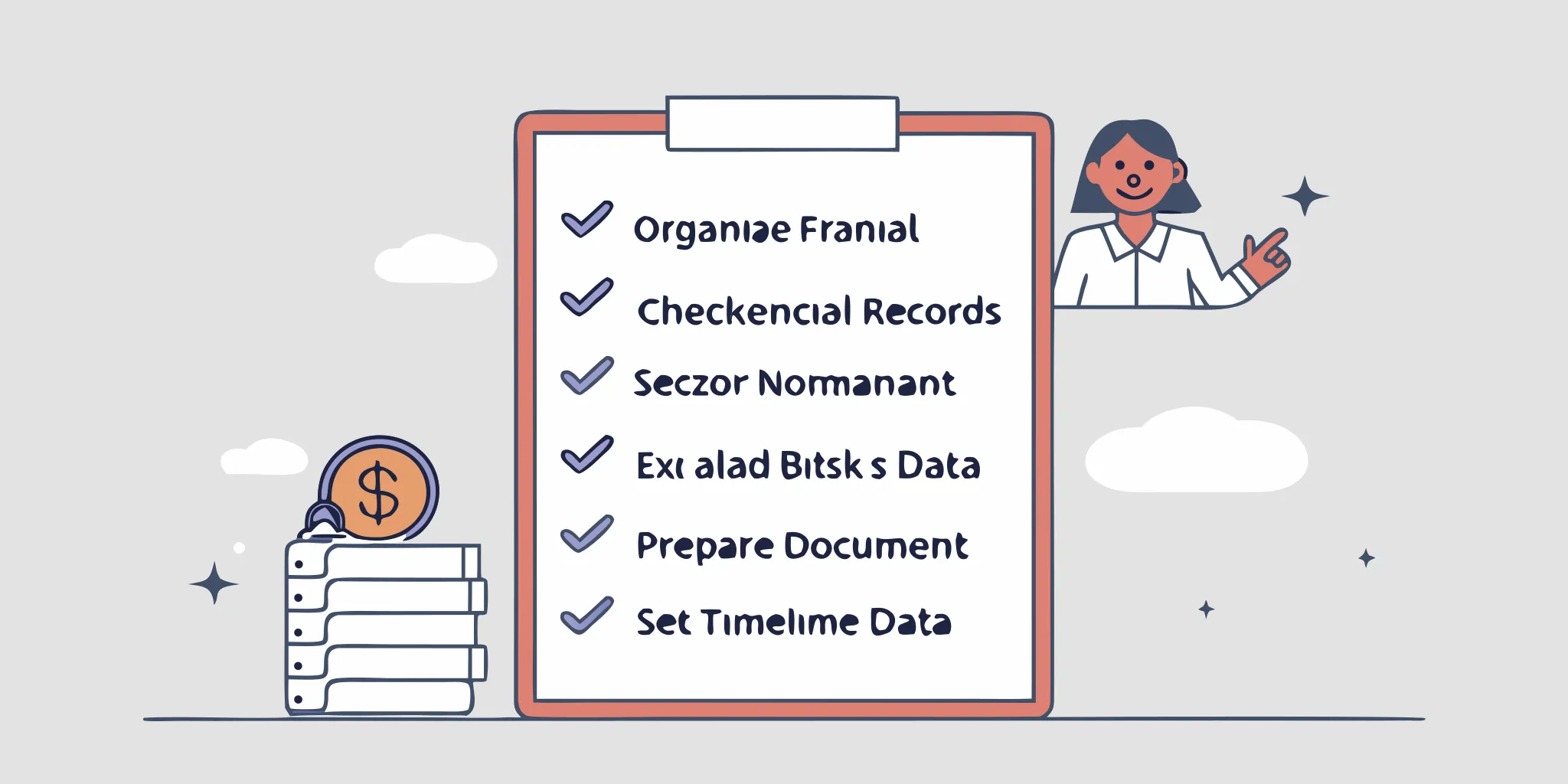
Knowing what to consider when selling a dental practice can save you from costly errors. Buyers audit your active patient counts, staff contracts, and equipment leases. If they find that some patients have not visited in two years, they reduce your patient goodwill value. Having this data ready and vetted is the best way to defend your price. Understanding the typical timeline to sell a dental practice helps you set realistic expectations. Be aware of key letter of intent terms that can affect your final sale outcome.
Working with independent advisors helps you avoid pitfalls. Unlike brokers who want to close a quick sale, we do not push you to sign a listing agreement. Independent advisors give a neutral view of your practice value. Our fixed-fee diagnostic acts as the prep step your clinic needs. We do not take a cut of your sale, and we have no conflict of interest. We help you find your true EBITDA and organize your data room so you are ready for any buyer.
Frequently Asked Questions
How do you value a dental practice?
Valuing a dental practice relies on three primary methods: Seller's Discretionary Earnings, EBITDA multiples, and asset-based approaches. Small solo offices typically use the earnings method. Large group practices and DSOs focus on multiples of adjusted earnings. A study in PubMed shows that these models fall under income, market, or asset categories. Choosing the right path depends on your practice size and future growth.
What is the EBITDA multiple for a dental practice?
Valuation multiples for larger dental practices and group roll-ups typically range from 4x to 6x EBITDA. This multiple shifts based on your practice size, location, and annual growth rate. DSOs pay higher multiples for practices with strong, steady cash flow. To find your true EBITDA, adjust your financial books by adding back personal perks and setting a market-rate salary for the working doctor.
Is SDE or EBITDA better for valuing my practice?
The best method depends on who runs daily operations. SDE is best for solo practices where the owner is the main doctor. It shows the total cash benefit a single buyer can expect. EBITDA is the standard for larger group practices and DSO transactions. It removes the impact of owner compensation to make practices easier to compare. According to Baker Tilly, setting a fair market rate for doctor compensation is vital when making these calculations.
How do I prepare for a dental practice valuation?
Start preparing at least one to five years before you plan to sell. Clean up your financial records and ensure your billing data is accurate. Normalize your earnings by tracking all personal expenses run through the business. This prep work reduces risk and speeds up buyer due diligence. Working with independent advisors helps you get a clear look at your true value before you talk to brokers or buyers.
Ready to Understand Your Dental Practice's True Value?
Preparing your dental practice for a sale is a long process that takes several years to do right. Starting this work today gives you room to clean up your books and normalize your EBITDA. If you wait to check your numbers until you want to exit, you risk losing a large portion of your practice's value. An independent pre-transaction review helps you find and fix costly issues before any buyers ever look at your records. This simple step protects your hard work and keeps your future transition on track from the very start.
Ready to plan your transition? Schedule a free consultation with First Move Advisors' co-founders. No pitch. No pressure. Just an honest look at your practice value.